Thai Coconut Curry Ramen
I first discovered this Thai Coconut Curry Ramen on a rainy afternoon, craving something cozy yet vibrant. With a toddler on my hip and the pantry half full, I wanted a quick meal that didn’t compromise on flavor. One whiff of the coconut milk simmering with curry paste, and I was transported to the bustling street markets of Bangkok—even though I was just standing in my kitchen in fuzzy socks.
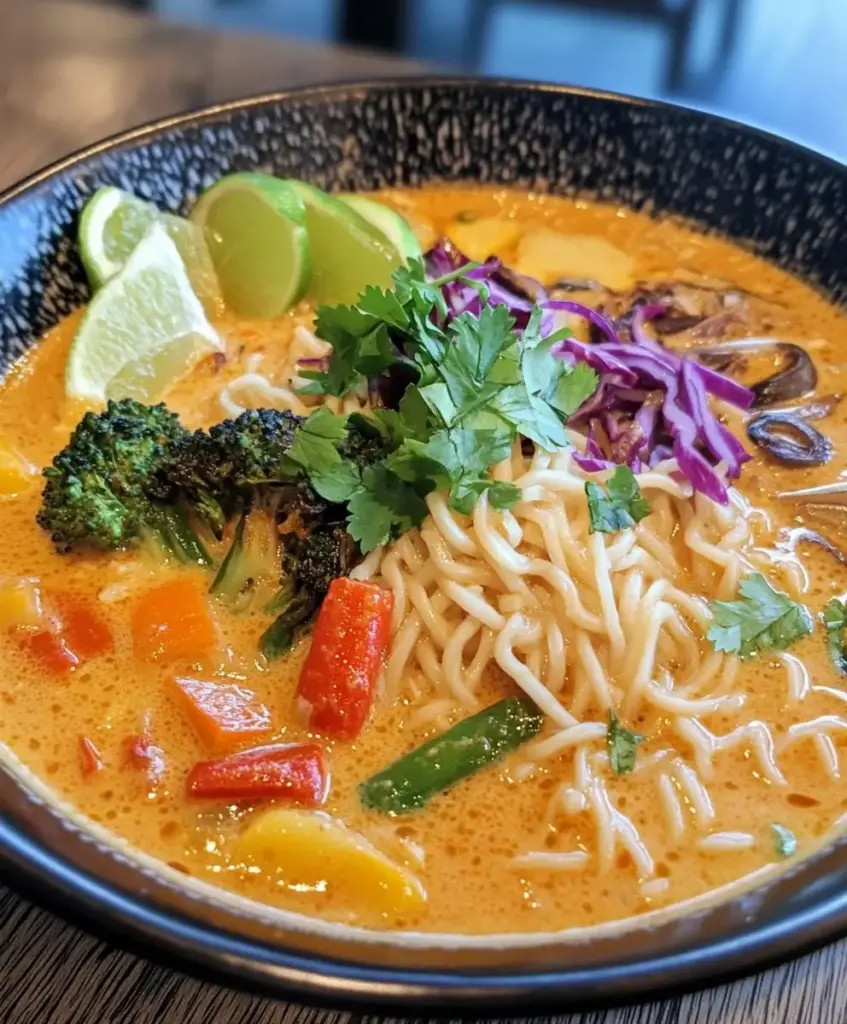
This Thai Coconut Curry Ramen has since become a family favorite, especially when the weather calls for something soothing. It’s a one-pot wonder that blends the creaminess of coconut milk with bold Thai flavors and the universal comfort of ramen. Whether you’re new to Southeast Asian cuisine or already a curry lover, this fusion is sure to find a permanent place in your recipe box.
Why You’ll Love This Thai Coconut Curry Ramen
- Quick and Easy: Ready in under 30 minutes with simple, pantry-friendly ingredients.
- Customizable: Use your choice of protein—shrimp, tofu, or chicken all work beautifully.
- Comforting Yet Exotic: Combines the heartiness of noodle soup with the bold flavors of Thai curry.
- Perfect for Meal Prep: Make a large batch and enjoy flavorful leftovers for days.
- Vegetarian-Friendly Option: Easily made plant-based with tofu and vegetable broth.
- Crowd-Pleaser: Ideal for casual dinners or when entertaining spice-loving friends.
Ingredients You’ll Need
- 4 cups vegetable broth – This forms the base of your broth; use low-sodium if you prefer to control salt levels.
- 1 can (13.5 oz) coconut milk – Full-fat coconut milk gives the soup its creamy, luxurious texture.
- 2 tablespoons red curry paste – Adds that signature Thai heat and depth; adjust to your spice preference.
- 1 tablespoon soy sauce – Provides umami richness; use tamari for a gluten-free option.
- 1 tablespoon lime juice – Freshly squeezed is best; it brightens up the flavors.
- 2 packs of ramen noodles – Discard the seasoning packets; you only need the noodles.
- 1 cup mixed vegetables – Try a colorful mix of bell peppers, carrots, and snap peas for crunch and freshness.
- 1 cup cooked protein – Choose from tofu (for a vegetarian version), shredded chicken, or cooked shrimp.
- Fresh cilantro, for garnish – Adds a burst of herbal freshness.
- Lime wedges, for serving – Perfect for squeezing over just before eating.
Optional Substitutions:
- Broth: Use chicken broth if not vegetarian.
- Curry Paste: Yellow or green curry paste can be used for a different flavor profile.
- Vegetables: Add mushrooms, baby spinach, or bok choy for variety.
- Noodles: Swap ramen with rice noodles or soba if preferred.
Step-by-Step Instructions
1. Sauté the Curry Paste
In a large pot over medium heat, add a small splash of oil and sauté the red curry paste for about 1-2 minutes.
Tip: This step is crucial—sautéing blooms the spices and releases the full aroma of the curry.
2. Add Broth and Coconut Milk
Pour in the vegetable broth and coconut milk. Stir to combine and bring the mixture to a gentle simmer.
Tip: Stir well to avoid coconut milk separating; use a whisk if needed.
3. Season the Broth
Add the soy sauce and lime juice. Taste and adjust—add more soy for saltiness or more lime juice for zing.
Tip: If you like a touch of sweetness, add 1 teaspoon of brown sugar or honey here.
4. Add Vegetables
Toss in your chopped vegetables and simmer for 5-7 minutes, or until tender-crisp.
Tip: Add firmer veggies like carrots first, then delicate ones like snap peas in the last minute or two.
5. Cook the Noodles
Add the ramen noodles directly to the simmering broth. Cook according to package directions (usually 3-4 minutes).
Tip: Don’t overcook the noodles—they’ll continue to soften in the hot broth.
6. Add Protein
Stir in your cooked protein and heat through, about 1-2 minutes.
Tip: For tofu, pan-fry cubes beforehand for a crispy texture. For shrimp, ensure they’re pink and opaque.
7. Serve and Garnish
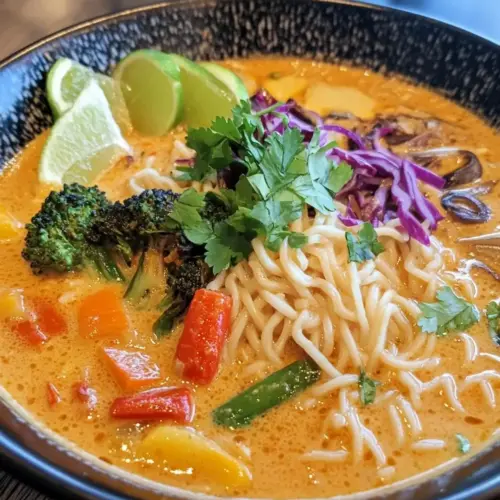
Ladle the soup into bowls. Top with fresh cilantro and a squeeze of lime juice. Serve this Thai Coconut Curry Ramen immediately with extra lime wedges on the side.
Tip: For an added kick, offer chili flakes or sriracha at the table.
Serving and Storage Tips
This Thai Coconut Curry Ramen is best served piping hot, straight from the pot. The broth is rich and comforting, and the noodles are at their best when they still have a bit of bite. Garnish each bowl generously with fresh cilantro and a wedge of lime—don’t skip that final squeeze, it really brightens everything up!
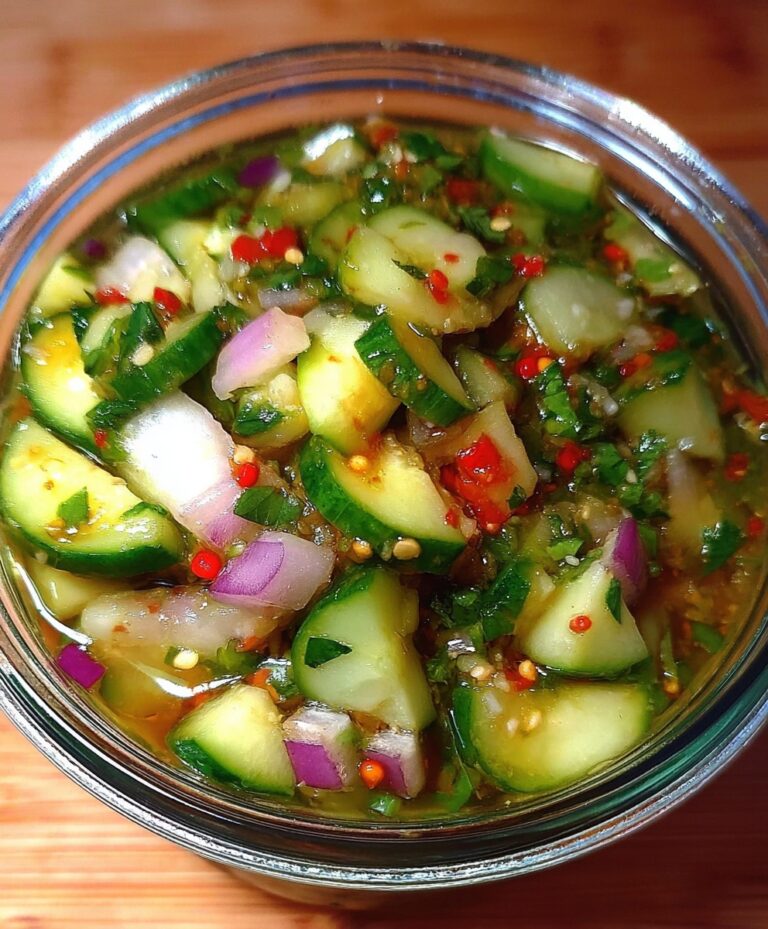
Pair this dish with some crispy spring rolls or a light cucumber salad for contrast. If you like extra heat, serve it with a side of chili oil or Thai bird’s eye chilies for those who dare.
To store: Let the soup cool completely before transferring to an airtight container. Store in the refrigerator for up to 3 days.
To freeze: You can freeze the broth (without the noodles) for up to 2 months. Add fresh noodles when reheating for best texture.
To reheat: Warm gently on the stovetop. If the broth thickens too much, just add a splash of broth or water to loosen it up.
Helpful Notes
- Don’t skip sautéing the curry paste. This step develops the flavor and prevents the soup from tasting flat or raw.
- Make it vegan: Use tofu or tempeh for the protein, and ensure your curry paste is vegan (some contain shrimp paste).
- Balance your flavors: If it’s too spicy, stir in a little coconut sugar. If it’s too tangy, a dash more coconut milk helps mellow it.
- Customize your veggies: This is a great “clean out the fridge” recipe—zucchini, baby corn, or mushrooms all work beautifully.
- Common mistake to avoid: Overcooking the noodles. Always add them toward the end and serve promptly to keep them from getting mushy.
Frequently Asked Questions
1. Can I make this dish ahead of time?
Yes, you can prepare the broth and veggies in advance. Just add the noodles and protein when you’re ready to serve to keep everything fresh and springy.
2. Why did my coconut milk separate?
This can happen if it’s boiled too hard. Keep the heat at a gentle simmer and whisk well when adding to maintain a creamy consistency.
3. How do I make it less spicy?
Use only 1 tablespoon of curry paste to start, and add more to taste. You can also stir in extra coconut milk to mellow the spice.
4. What kind of ramen noodles should I use?
Use plain instant ramen and discard the seasoning packet. You can also try rice noodles or soba for a different texture.
5. Can I use frozen vegetables?
Absolutely! Frozen stir-fry mixes work great—just add them directly to the simmering broth and cook until heated through.
Final Thoughts
This Thai Coconut Curry Ramen is more than just a quick dinner—it’s a comforting, flavor-packed bowl of joy that’s sure to become a staple in your kitchen. Whether you’re cooking for your family on a busy weeknight or serving it to guests with a love for bold flavors, this dish is a guaranteed hit.
Pairs beautifully with a side of Thai cucumber salad or some crunchy veggie spring rolls.
Have you tried this recipe? I’d love to hear how you made it your own—did you add extra veggies, switch up the protein, or turn up the heat?
Thai Coconut Curry Ramen

Ingredients
- 4 cups vegetable broth
- 1 can 13.5 oz coconut milk
- 2 tablespoons red curry paste
- 1 tablespoon soy sauce
- 1 tablespoon lime juice
- 2 packs of ramen noodles
- 1 cup mixed vegetables
- 1 cup cooked protein
- Fresh cilantro for garnish
- Lime wedges for serving
Optional Substitutions:
- Broth: Use chicken broth if not vegetarian.
- Curry Paste: Yellow or green curry paste can be used for a different flavor profile.
- Vegetables: Add mushrooms baby spinach, or bok choy for variety.
- Noodles: Swap ramen with rice noodles or soba if preferred.
Instructions
Sauté the Curry Paste
- In a large pot over medium heat, add a small splash of oil and sauté the red curry paste for about 1-2 minutes.
- Tip: This step is crucial—sautéing blooms the spices and releases the full aroma of the curry.
Add Broth and Coconut Milk
- Pour in the vegetable broth and coconut milk. Stir to combine and bring the mixture to a gentle simmer.
- Tip: Stir well to avoid coconut milk separating; use a whisk if needed.
Season the Broth
- Add the soy sauce and lime juice. Taste and adjust—add more soy for saltiness or more lime juice for zing.
- Tip: If you like a touch of sweetness, add 1 teaspoon of brown sugar or honey here.
Add Vegetables
- Toss in your chopped vegetables and simmer for 5-7 minutes, or until tender-crisp.
- Tip: Add firmer veggies like carrots first, then delicate ones like snap peas in the last minute or two.
Cook the Noodles
- Add the ramen noodles directly to the simmering broth. Cook according to package directions (usually 3-4 minutes).
- Tip: Don’t overcook the noodles—they’ll continue to soften in the hot broth.
Add Protein
- Stir in your cooked protein and heat through, about 1-2 minutes.
- Tip: For tofu, pan-fry cubes beforehand for a crispy texture. For shrimp, ensure they’re pink and opaque.
Serve and Garnish
- Ladle the soup into bowls. Top with fresh cilantro and a squeeze of lime juice. Serve immediately with extra lime wedges on the side.
- Tip: For an added kick, offer chili flakes or sriracha at the table.
Notes
- Don’t skip sautéing the curry paste. This step develops the flavor and prevents the soup from tasting flat or raw.
- Make it vegan: Use tofu or tempeh for the protein, and ensure your curry paste is vegan (some contain shrimp paste).
- Balance your flavors: If it’s too spicy, stir in a little coconut sugar. If it’s too tangy, a dash more coconut milk helps mellow it.
- Customize your veggies: This is a great “clean out the fridge” recipe—zucchini, baby corn, or mushrooms all work beautifully.
- Common mistake to avoid: Overcooking the noodles. Always add them toward the end and serve promptly to keep them from getting mushy.